

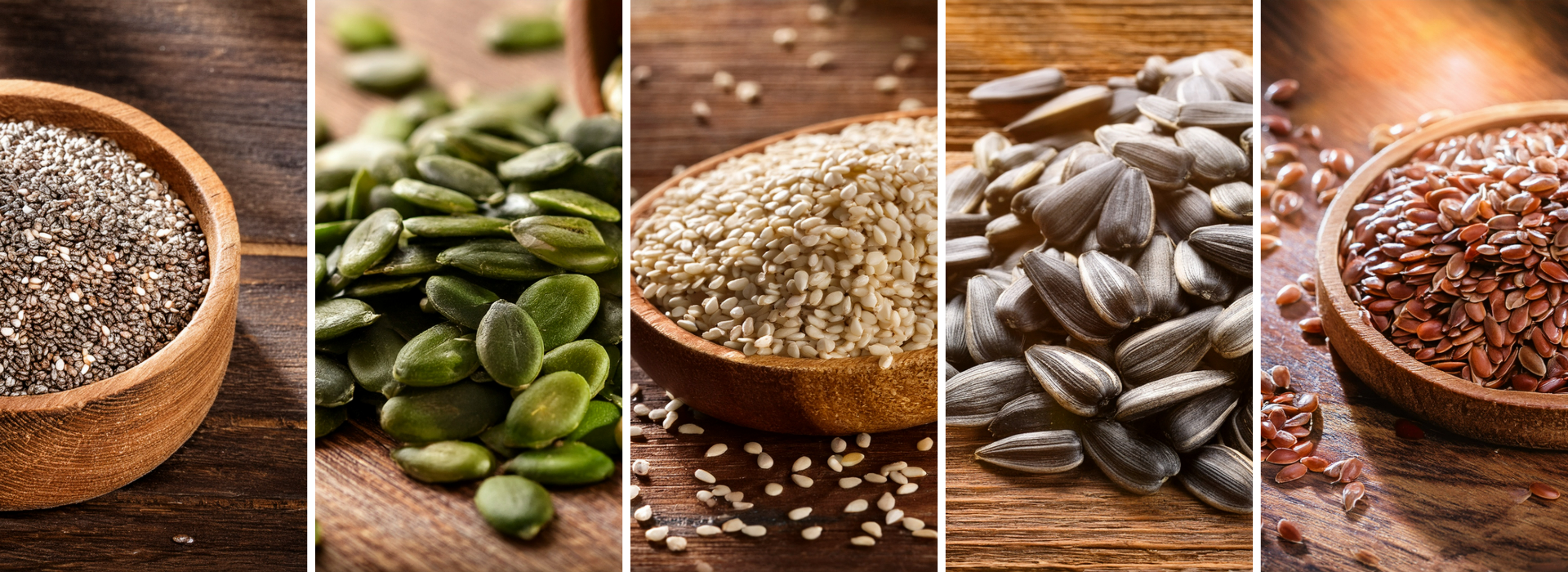
super seeds are small but incredibly powerful additions to a healthy diet. Packed with essential nutrients like omega-3 fatty acids, protein, fiber, vitamins, and minerals, they offer a wide range of health benefits—from supporting heart and brain health to improving digestion and boosting immunity. Regularly including seeds like chia, flax, pumpkin, sunflower, hemp, and sesame in meals can enhance overall wellness and help prevent various health issues. Their versatility and nutritional richness make them an easy and effective way to support a balanced and wholesome lifestyle.
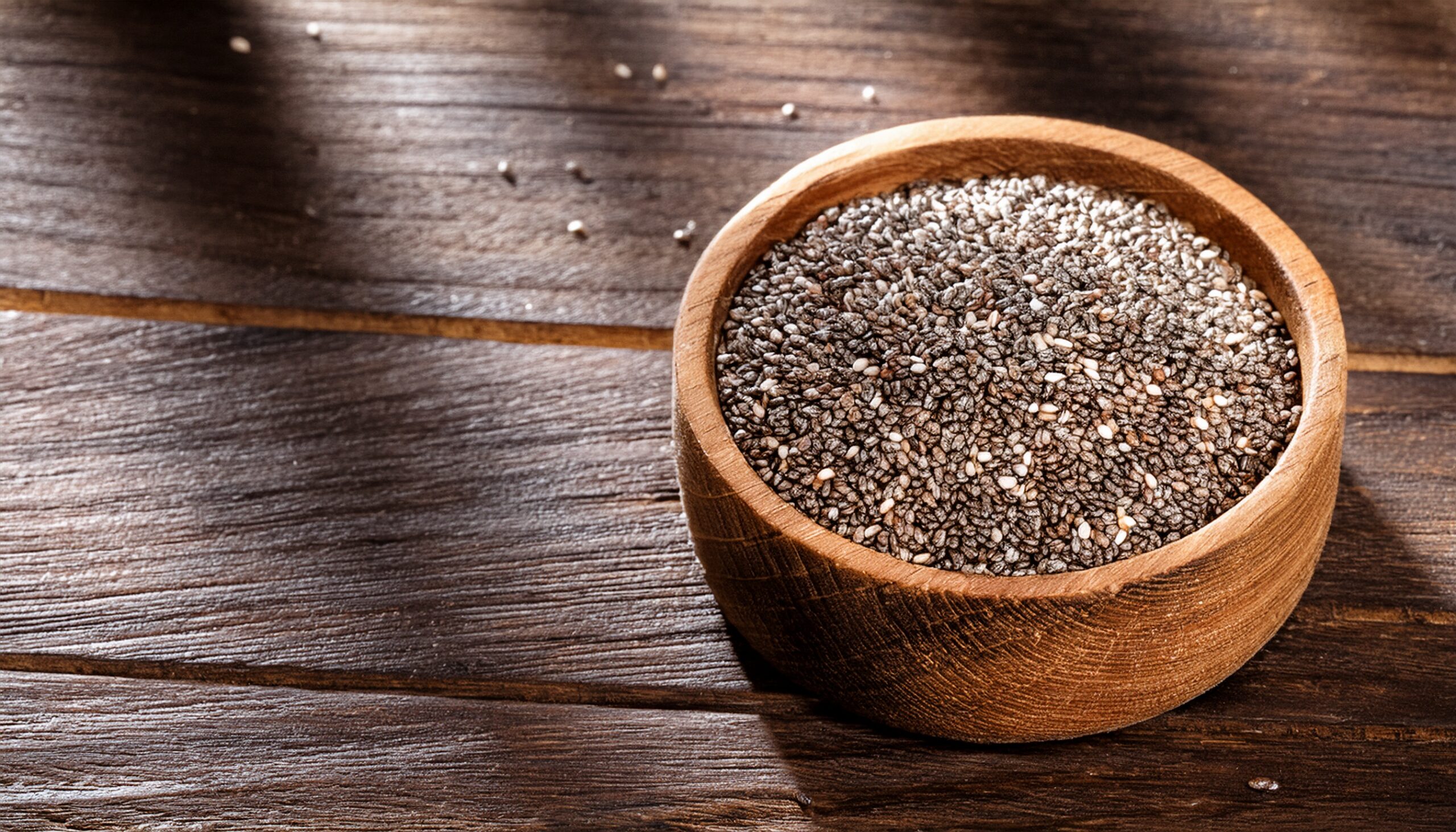
1. Chia Seeds
- Nutritional Profile: Per 28g (2 tablespoons): 137 calories, 5g protein, 9g fat (5g omega-3s), 10g fiber, 177mg calcium (18% DV), 2.5mg iron (14% DV).
- Benefits & Mechanisms:
- Fat Burning: 10g fiber slows carb absorption, keeping blood sugar steady and reducing fat storage. Omega-3s (5g ALA) lower inflammation, potentially enhancing fat oxidation—studies suggest a 3-5% metabolism boost with regular intake.
- Heart Health: Omega-3s cut triglycerides by 10-20%; fiber reduces LDL cholesterol.
- Digestion: Fiber feeds gut bacteria, producing short-chain fatty acids that may influence fat metabolism.
- Science: A 2017 Nutrients study showed 35g daily improved satiety and waist circumference in overweight adults over 12 weeks.
- Use It: Soak 28g (2 tbsp) in 120ml water or milk for 15 minutes to make pudding. Add to smoothies or sprinkle on yogurt.
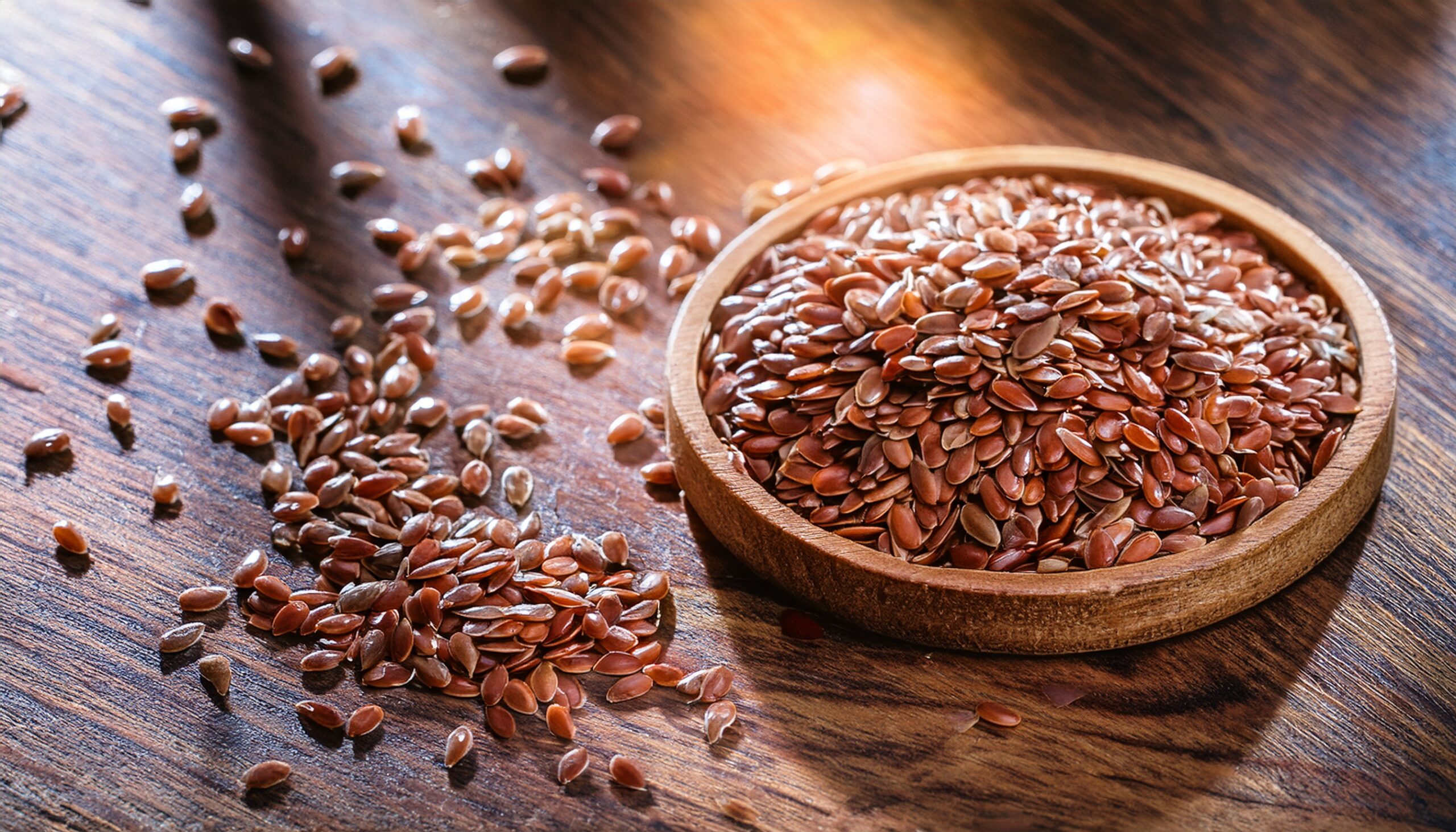
2. Flaxseeds
- Nutritional Profile: Per 28g: 150 calories, 5g protein, 12g fat (5g omega-3s), 7g fiber, 71mg magnesium (18% DV), 0.5mg B1 (42% DV).
- Benefits & Mechanisms:
- Fat Burning: 7g fiber and lignans (up to 800mg) may increase hepatic fat oxidation—animal studies show up to 20% more fat burned; human evidence is milder. Omega-3s reduce inflammation linked to fat gain.
- Cholesterol: Soluble fiber lowers LDL by 5-10% by binding bile acids.
- Gut Health: Lignans and fiber support microbiome diversity.
- Science: A 2015 Journal of Nutrition meta-analysis found 30g daily aided modest weight loss in calorie-controlled diets.
- Use It: Grind 14-28g (1-2 tbsp) and mix into 100g oatmeal or a smoothie. Store ground in the fridge to preserve oils.
3. Pumpkin Seeds
- Nutritional Profile: Per 28g: 150 calories, 7g protein, 12g fat (2g omega-6), 2g fiber, 156mg magnesium (37% DV), 2.3mg iron (13% DV).
- Benefits & Mechanisms:
- Fat Burning: 7g protein supports muscle maintenance (muscle burns ~10 calories/day per pound at rest). Magnesium optimizes glucose uptake and fat metabolism—key for insulin sensitivity.
- Sleep: 0.3g tryptophan and magnesium improve sleep, boosting fat-burning hormones like growth hormone.
- Antioxidants: 2mg zinc (18% DV) protects cells during exercise-induced fat breakdown.
- Science: A 2018 Nutrients study linked 400mg magnesium daily to lower body fat percentages.
- Use It: Roast 28g at 150°C for 15 minutes with a pinch of salt—snack or sprinkle over 100g salad.
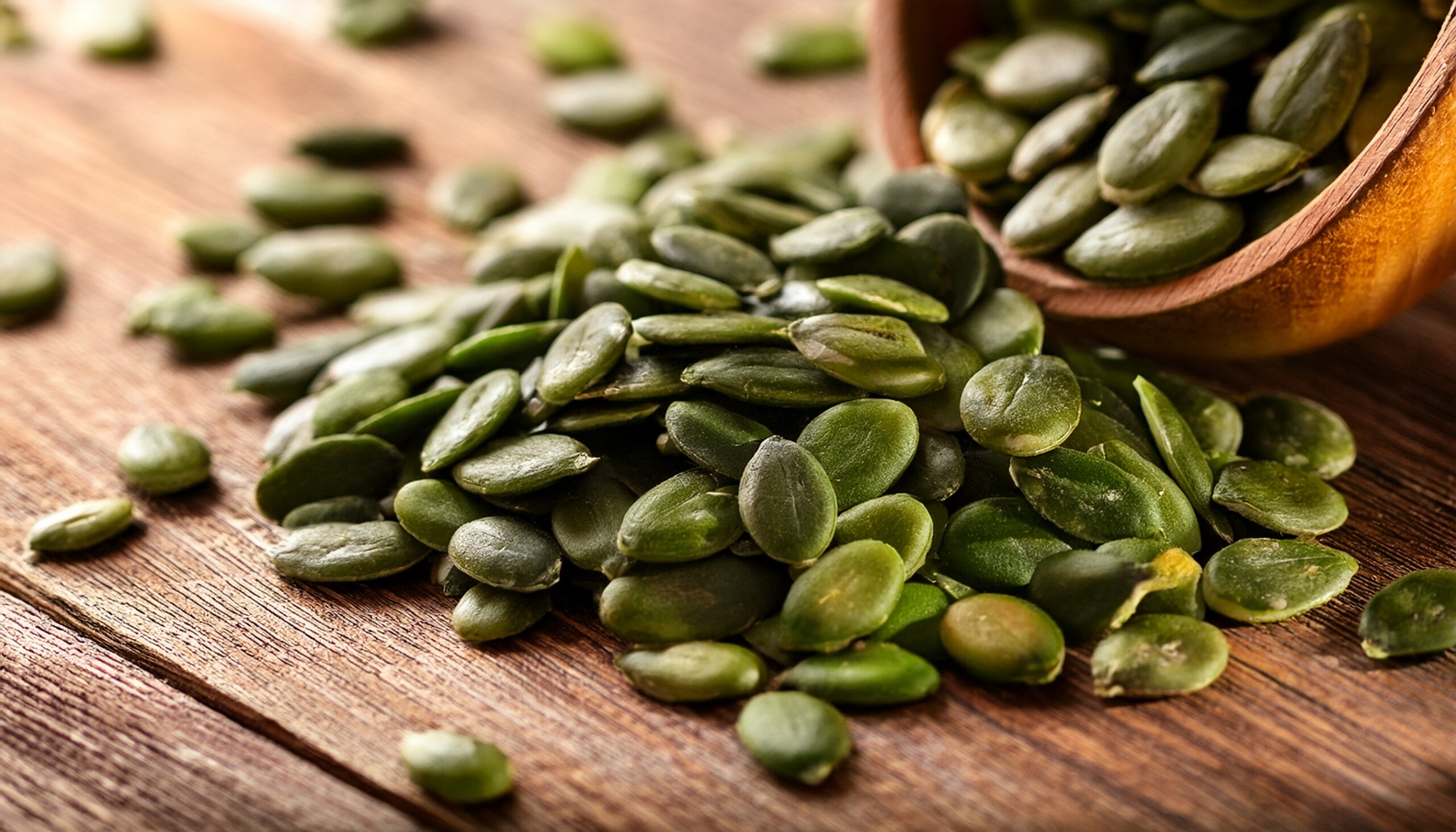
4. Sunflower Seeds
- Nutritional Profile: Per 28g: 165 calories, 6g protein, 14g fat (mostly monounsaturated), 3g fiber, 7mg vitamin E (47% DV), 91mg magnesium (22% DV).
- Benefits & Mechanisms:
- Fat Burning: 3g fiber and 6g protein increase satiety, reducing calorie intake. Monounsaturated fats (9g) provide steady energy, avoiding fat-storing sugar spikes.
- Heart Health: Vitamin E reduces arterial oxidation; phytosterols (70mg) lower cholesterol by 5-10%.
- Energy: B6 (0.4mg, 24% DV) aids fat and carb metabolism.
- Science: A 2016 AJCN study showed 30g daily of seeds/nuts reduced visceral fat when replacing refined carbs.
- Use It: Shell 28g (about 50 seeds) and add to 150g stir-fry or eat raw as a snack.
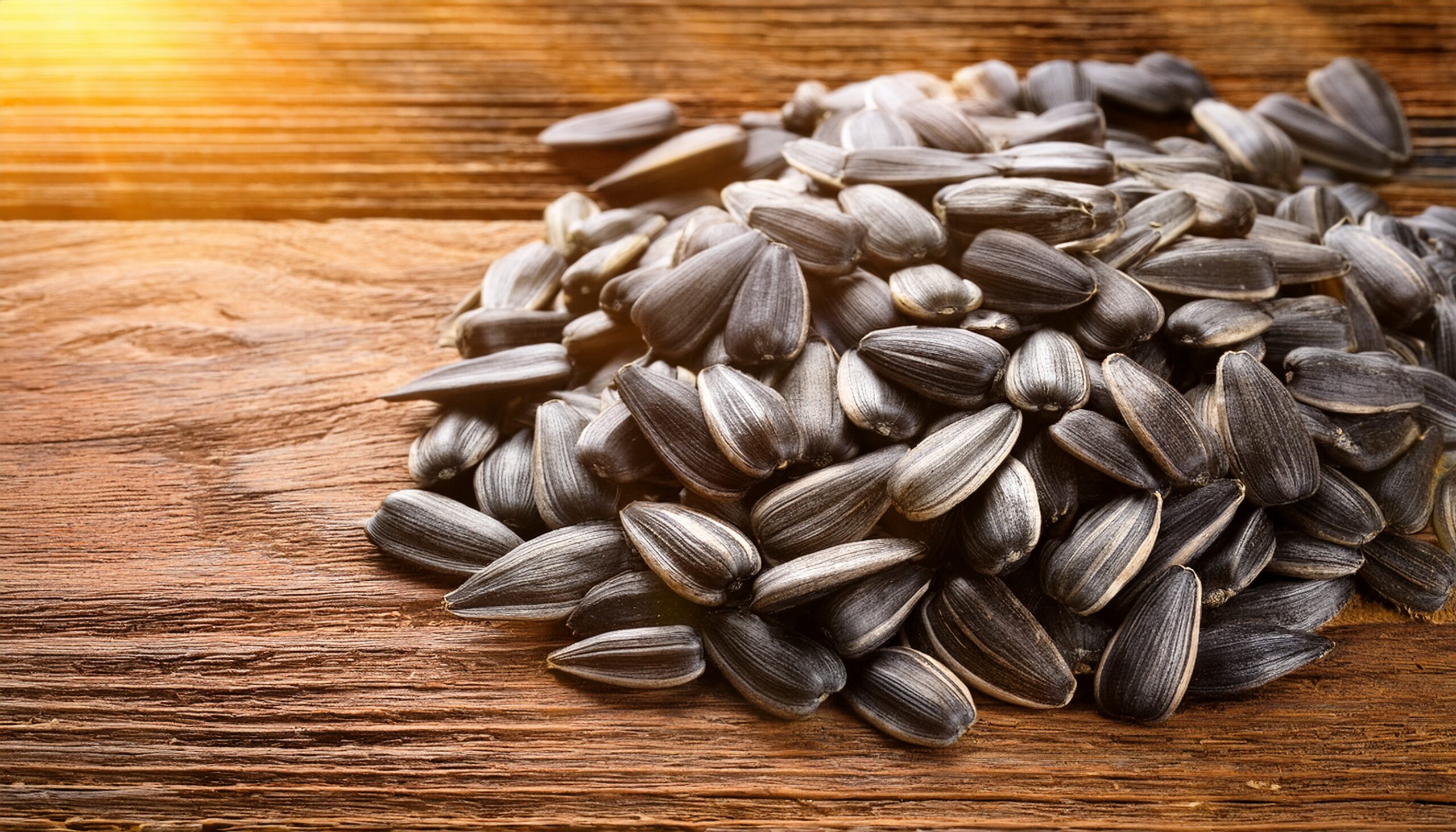
5. Sesame Seeds
- Nutritional Profile: Per 28g: 160 calories, 5g protein, 14g fat, 3g fiber, 277mg calcium (28% DV), 4mg iron (22% DV).
- Benefits & Mechanisms:
- Fat Burning: Sesamin/sesamolin (up to 1g) may upregulate fat-burning enzymes—rodent studies show 10-15% more fat oxidized. 3g fiber aids fullness.
- Bones: Calcium and 1mg copper (50% DV) strengthen skeletal structure.
- Antioxidants: Sesamol neutralizes free radicals from fat metabolism.
- Science: A 2019 Journal of Medicinal Food study found 25g daily improved lipid profiles in 8 weeks.
- Use It: Toast 14-28g (1-2 tbsp) and sprinkle on 150g veggies or blend into 50g tahini.
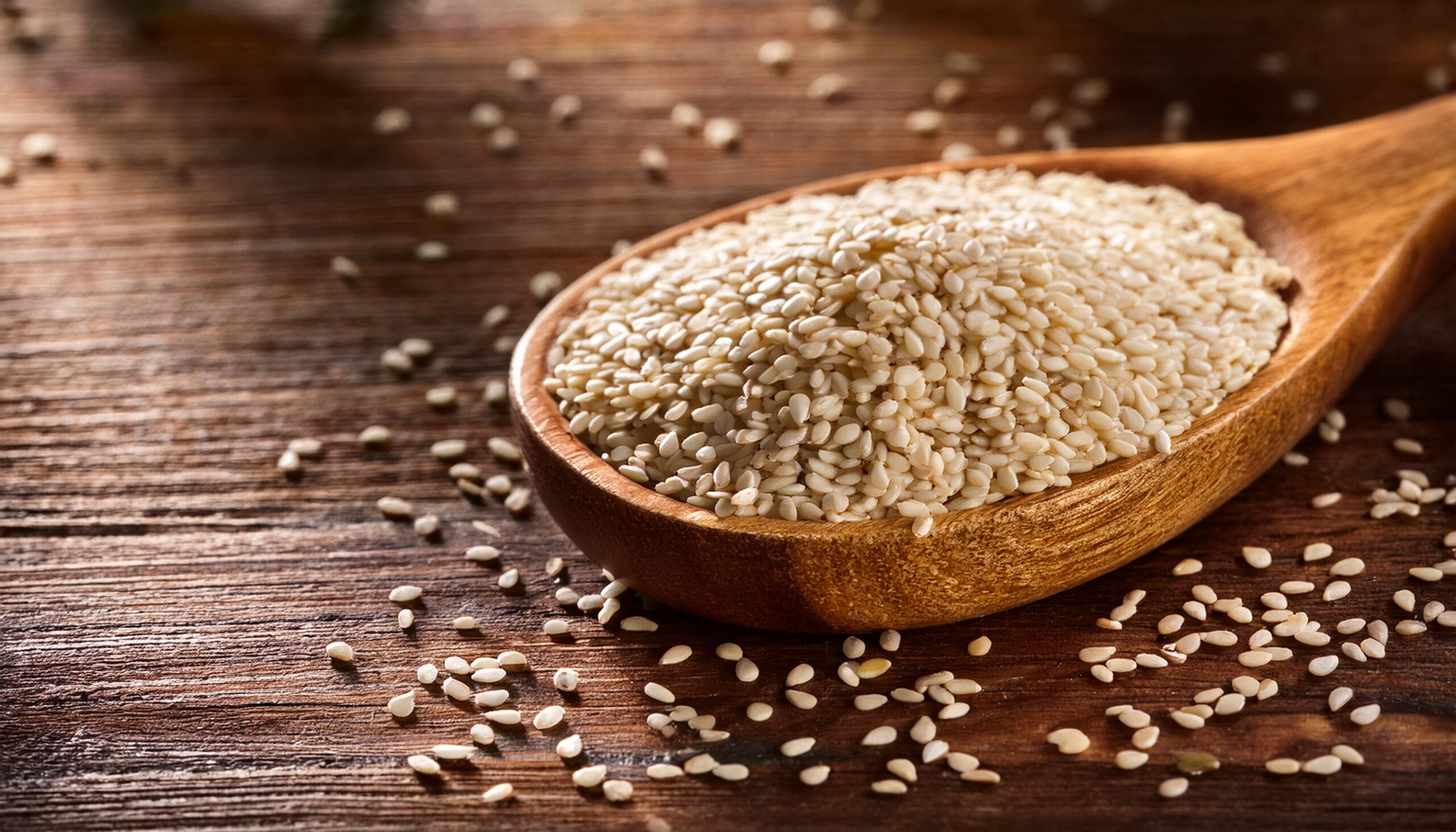
6.Quinoa Seeds
- Nutritional Profile: Per 185g cooked (45g dry): 222 calories, 8g protein, 4g fat, 5g fiber, 118mg magnesium (28% DV), 2.8mg iron (16% DV).
- Benefits & Mechanisms:
- Fat Burning: 5g fiber and low glycemic index (53) prevent insulin spikes, reducing fat storage. 8g protein supports muscle energy needs.
- Workouts: Carbs (39g) replenish glycogen post-exercise without excess fat gain.
- Blood Sugar: Magnesium improves insulin sensitivity.
- Science: A 2017 Nutrients study showed 50g dry daily aided weight loss in low-carb diets.
- Use It: Cook 45g dry (yields 185g) with 90ml water—use as a base for 200g veggie bowls.
7.Basil seeds
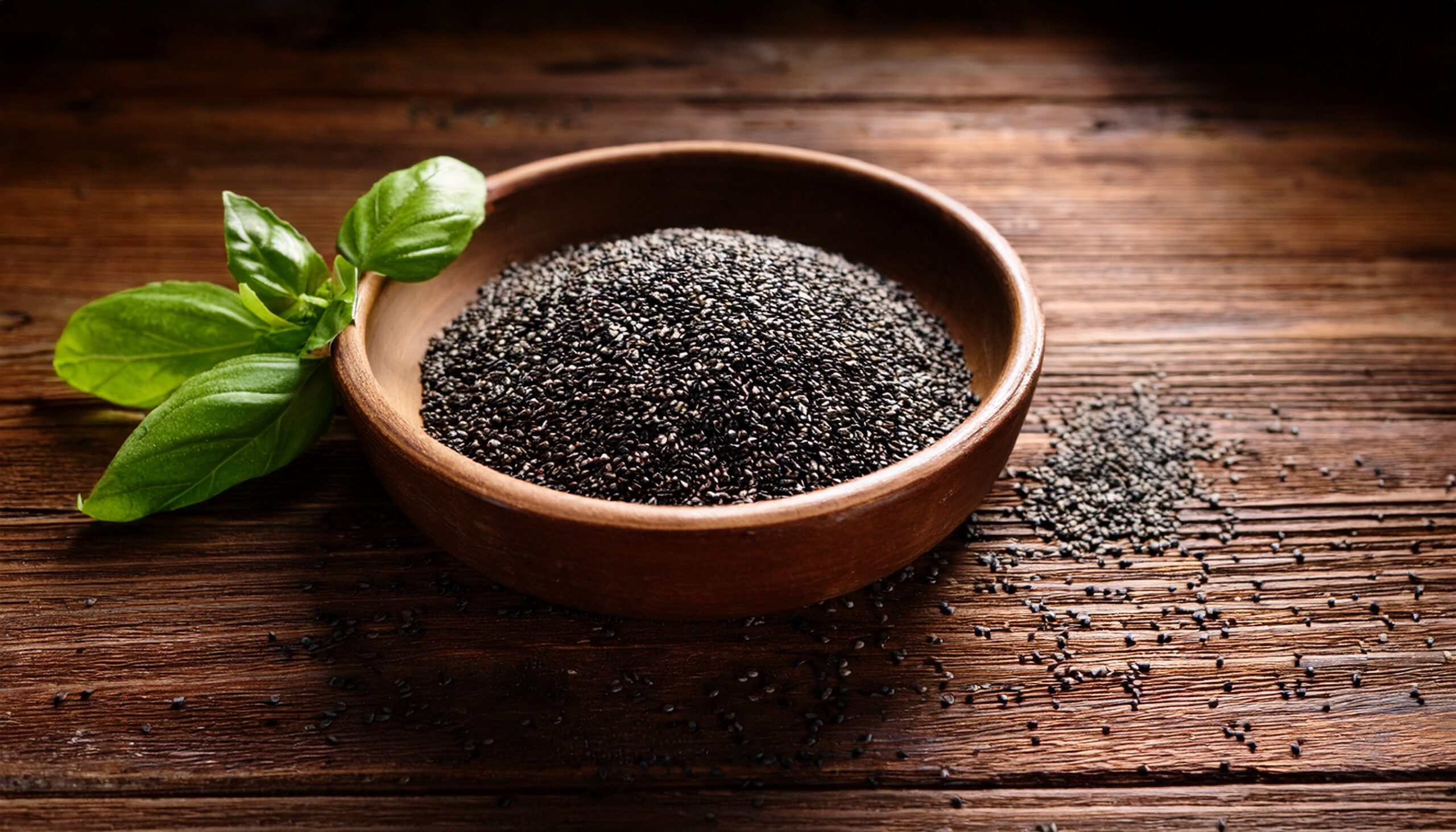
, also known as “sabja seeds” or “tulsi seeds,” come from the sweet basil plant (Ocimum basilicum), commonly used in culinary dishes and traditional medicine, especially in South Asia and the Middle East. They’re small, black, tear-shaped seeds that swell up when soaked, forming a gelatinous coating—similar to chia seeds. Below, I’ll dive into their nutritional profile, benefits (including fat-burning potential), mechanisms, scientific insights, and practical use with quantities in grams.
Nutritional Profile
- Per 28g (about 2 tablespoons, dry):
- Calories: ~60-70 kcal (varies by source; low due to high water absorption when soaked).
- Protein: 4-5g.
- Fat: 4-5g (mostly unsaturated, including some omega-3s like ALA, ~0.5-1g).
- Carbohydrates: 10-12g (mostly fiber).
- Fiber: 7-10g (25-35% DV).
- Calcium: 150-200mg (15-20% DV).
- Iron: 2-3mg (11-17% DV).
- Magnesium: 60-80mg (15-20% DV).
- Other: Trace amounts of potassium, zinc, and antioxidants (e.g., polyphenols).
- Note: Exact values depend on growing conditions and processing. When soaked, 28g dry absorbs 100-150ml water, expanding to 50-60g wet with negligible calorie increase.